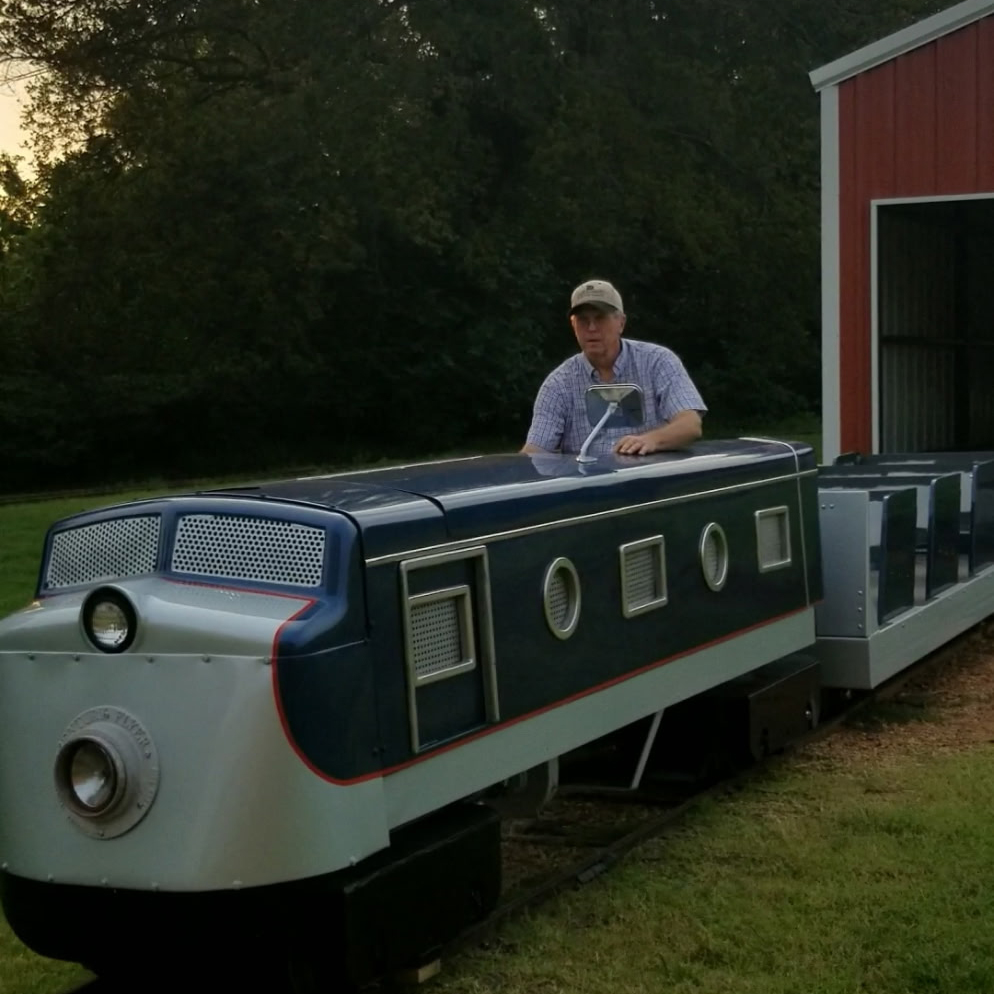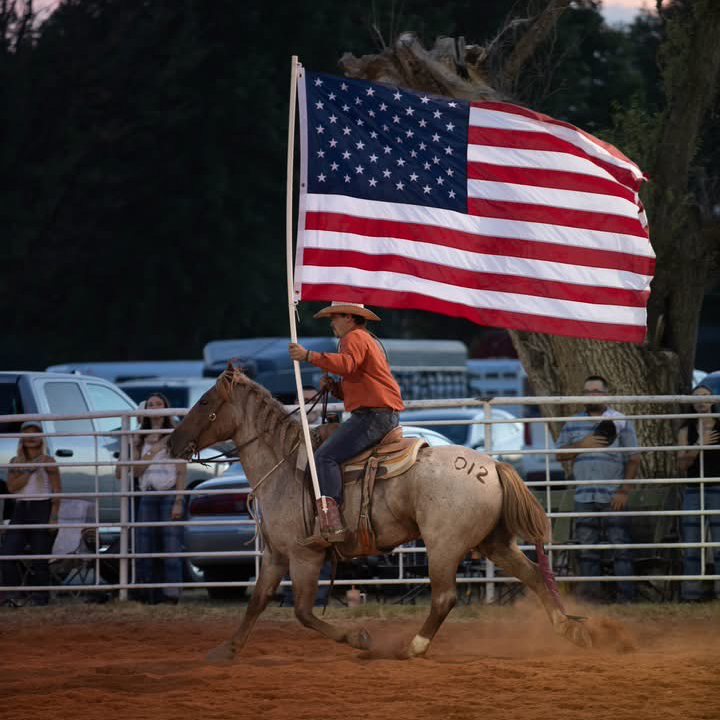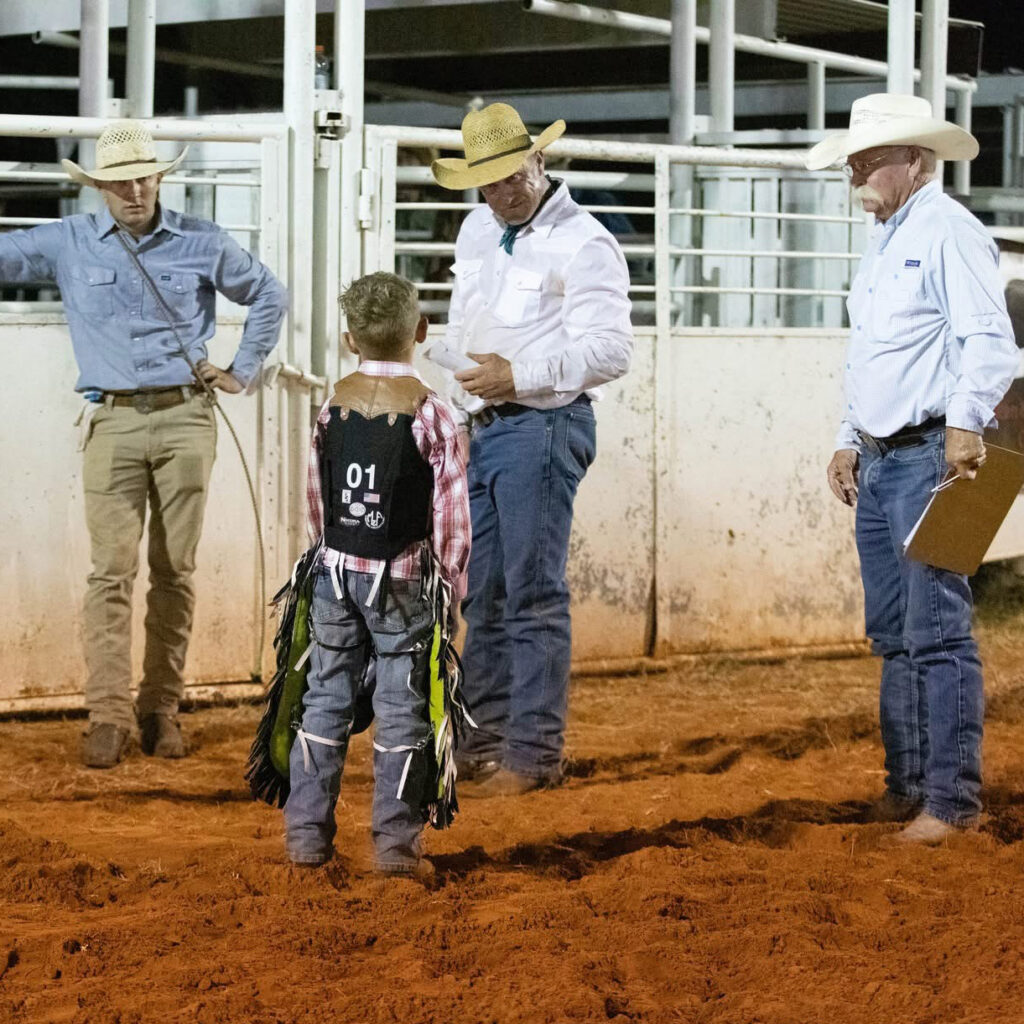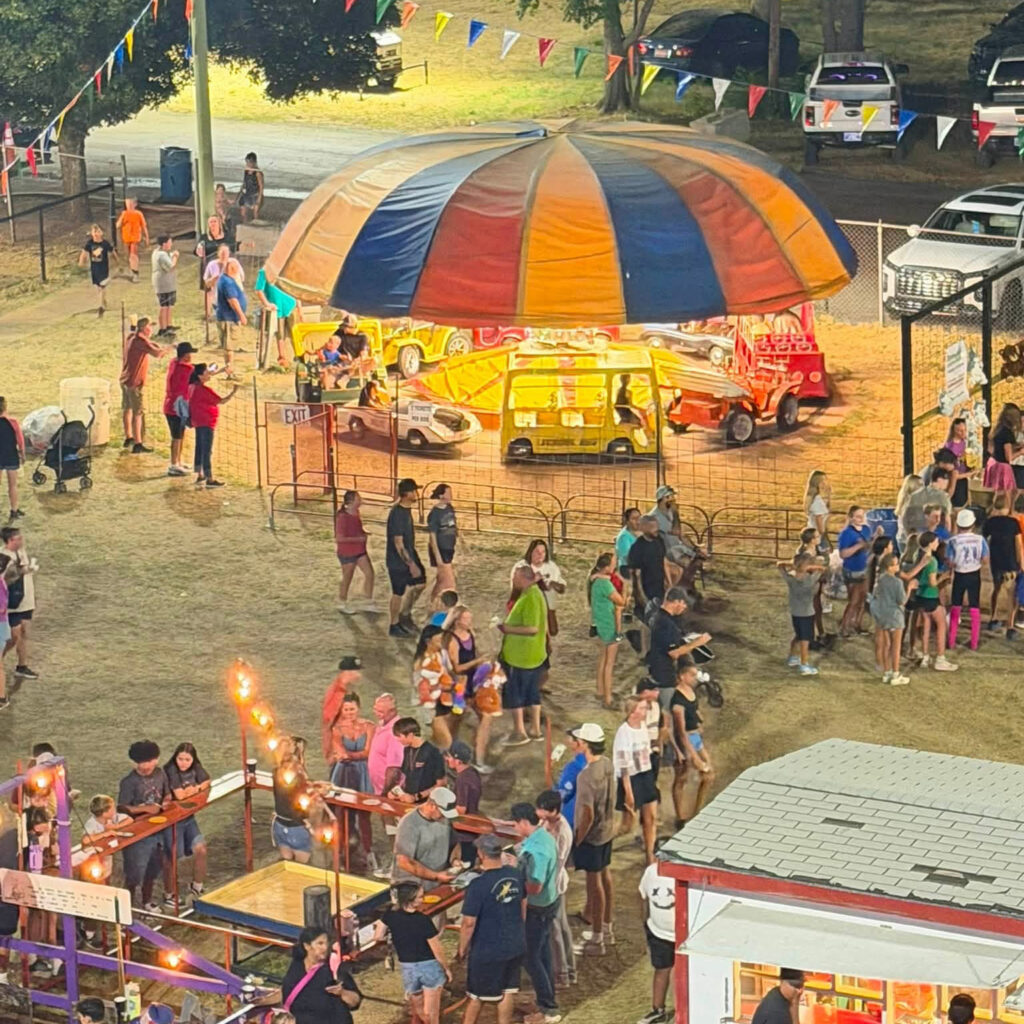
Hydro, Oklahoma, a small community nestled just north of Historic Route 66, boasts a big tradition with humble beginnings dating back to 1907. The Hydro Free Fair is the oldest free fair in Oklahoma.
For more than a century, generations of families have gathered two weeks before Labor Day to celebrate agriculture, community, and hometown pride. While much has changed since the fair's founding, one thing remains constant: the people of Hydro are determined to ensure the tradition never fades.
"This is the one thing that when people want a reason to come back home, the Hydro Fair is it," said Hydro native, Fair Board member, and longtime Hydro agriculture education instructor Chris Klaassen.
The numbers alone are impressive. Over three nights, an estimated 10,000 to 15,000 visitors pass through the midway.
"Tickets must be purchased to ride the rides, but they're only about 50 cents each," Klaassen said. "A free fair is a community event where admission to the grounds and exhibit buildings is completely free, and local residents pay no entry fees."
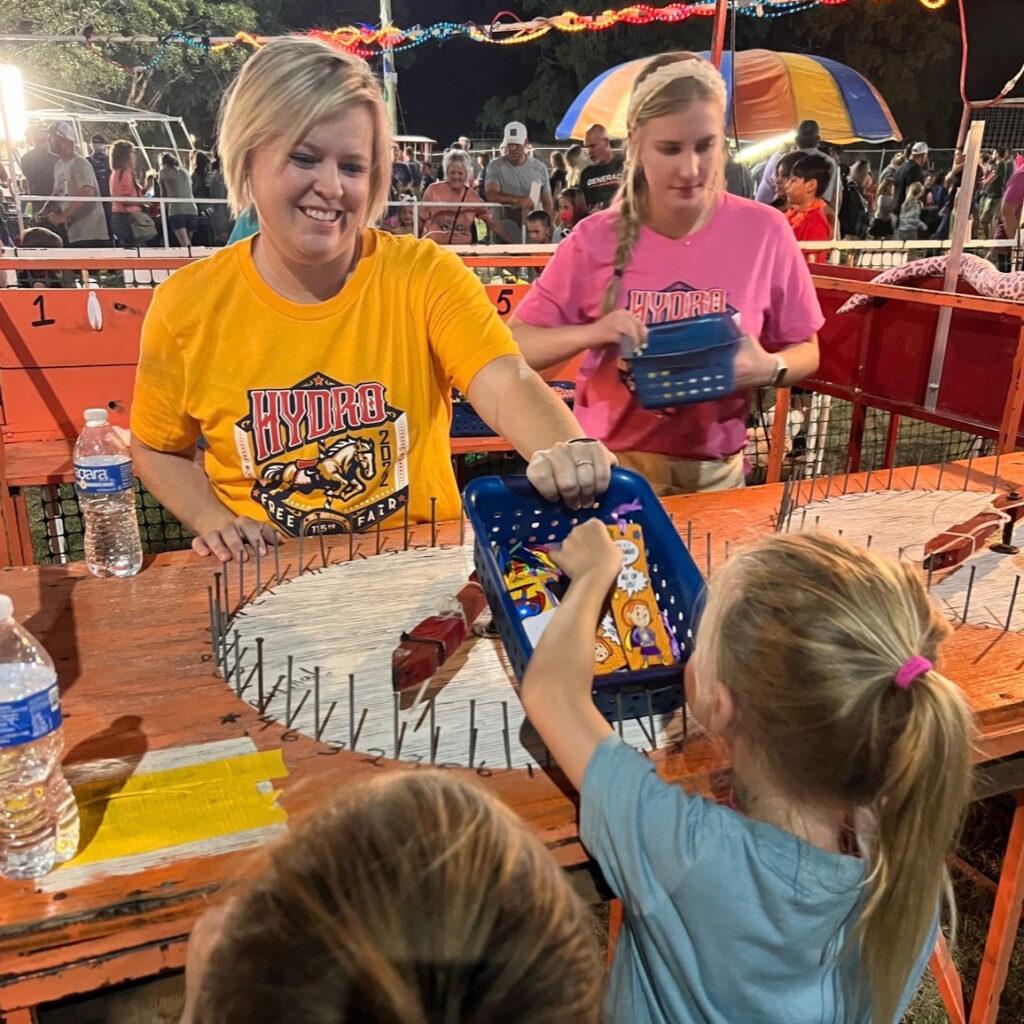
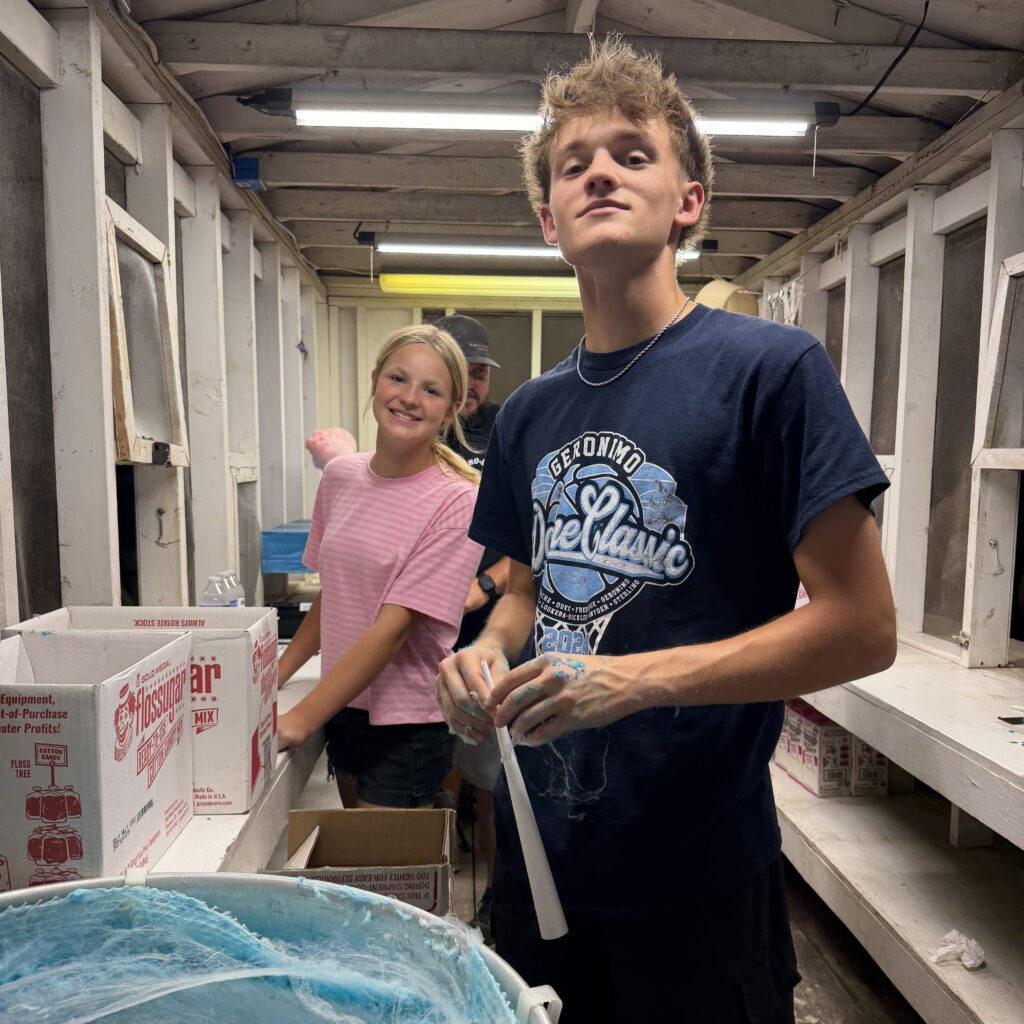
Livestock shows, horse shows, ranch rodeos, judging contests, exhibits, concessions, games, and family fun fill the fairgrounds. Yet what truly sets the Hydro Free Fair apart is that nearly everything visitors experience is powered by volunteers.
From operating rides and concession stands to organizing livestock shows and judging contests, community members donate countless hours each year to keep the fair running.
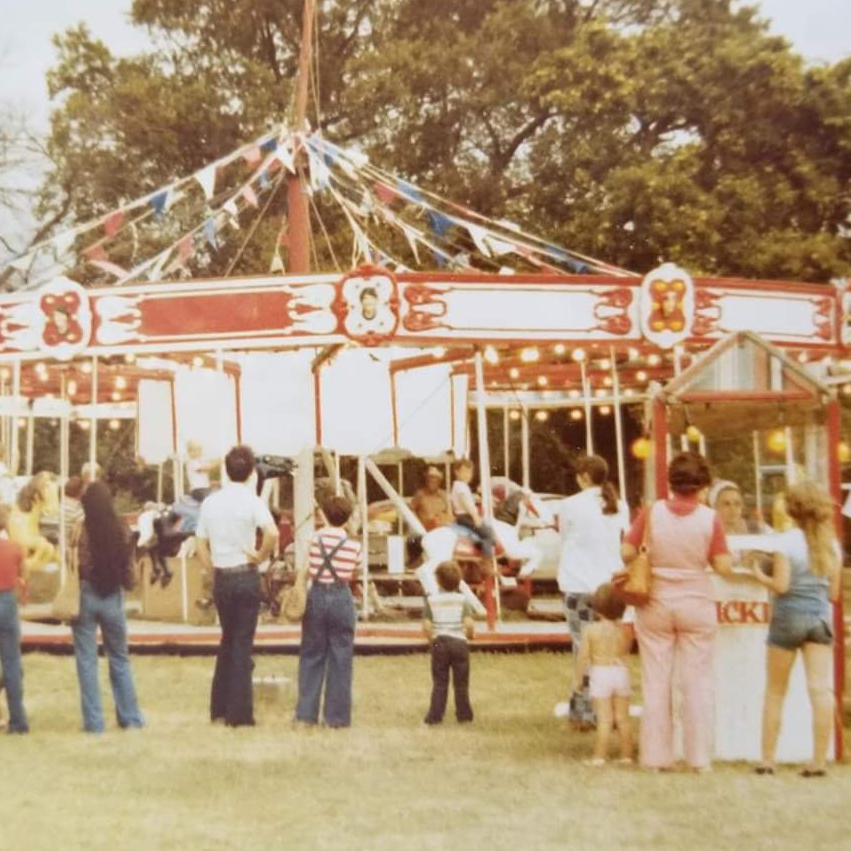
"It takes a lot of people," said Kevin Propps, whose family has been involved with the fair for generations. "Our family is in charge of the carousel for all three nights of the fair. There's so much work involved in the setup, and that's really where the volunteers come in."
For Propps, volunteering wasn't something people occasionally signed up for. It was simply part of growing up in Hydro.
"As a kid, you went every year. There was no question," he said. "My mom and dad volunteered at the bingo stand, and then my wife and I took over for them in the early 2000s."
That passing of responsibility from one generation to the next is a recurring theme throughout the fair's history.
Charlie Wieland, president of the Fair Board, has been involved since 1981, shortly after graduating from college. He remembers the fair as one of the highlights of childhood.
"As a child, it was a big event," Wieland recalled. "And not just for the children. My mom canned and gathered all kinds of things to enter in the fair. Back then, everyone's summer was filled with working gardens, attending Vacation Bible School at local churches, and canning all summer long. While the fair was a good, friendly competition, my mom was out to win, and we all knew it."
He remembers exhibiting pigs, selling hamburgers at the FFA concession stand, getting into trouble for spying on the adults at the dance, and spending time with friends. Today, many of those same children have become parents and grandparents, creating new memories in the same place with their own families.
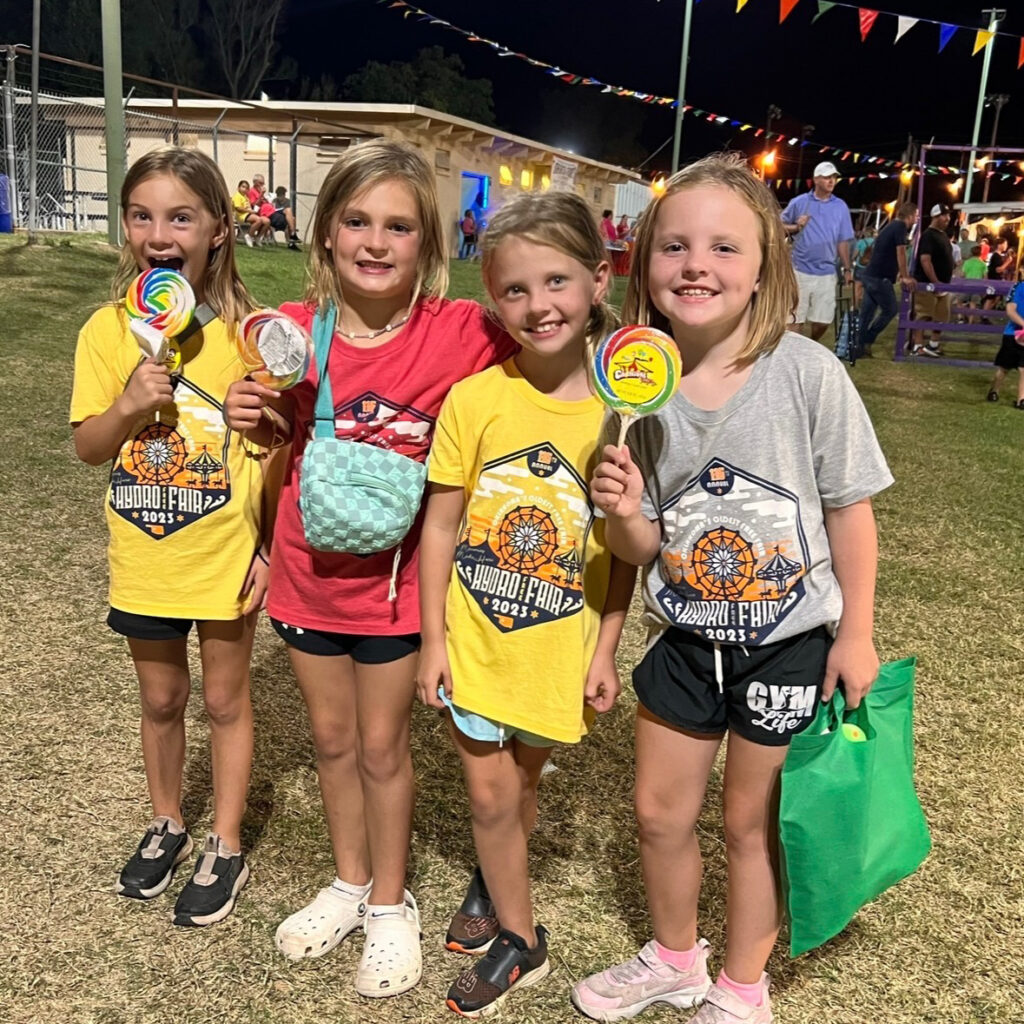
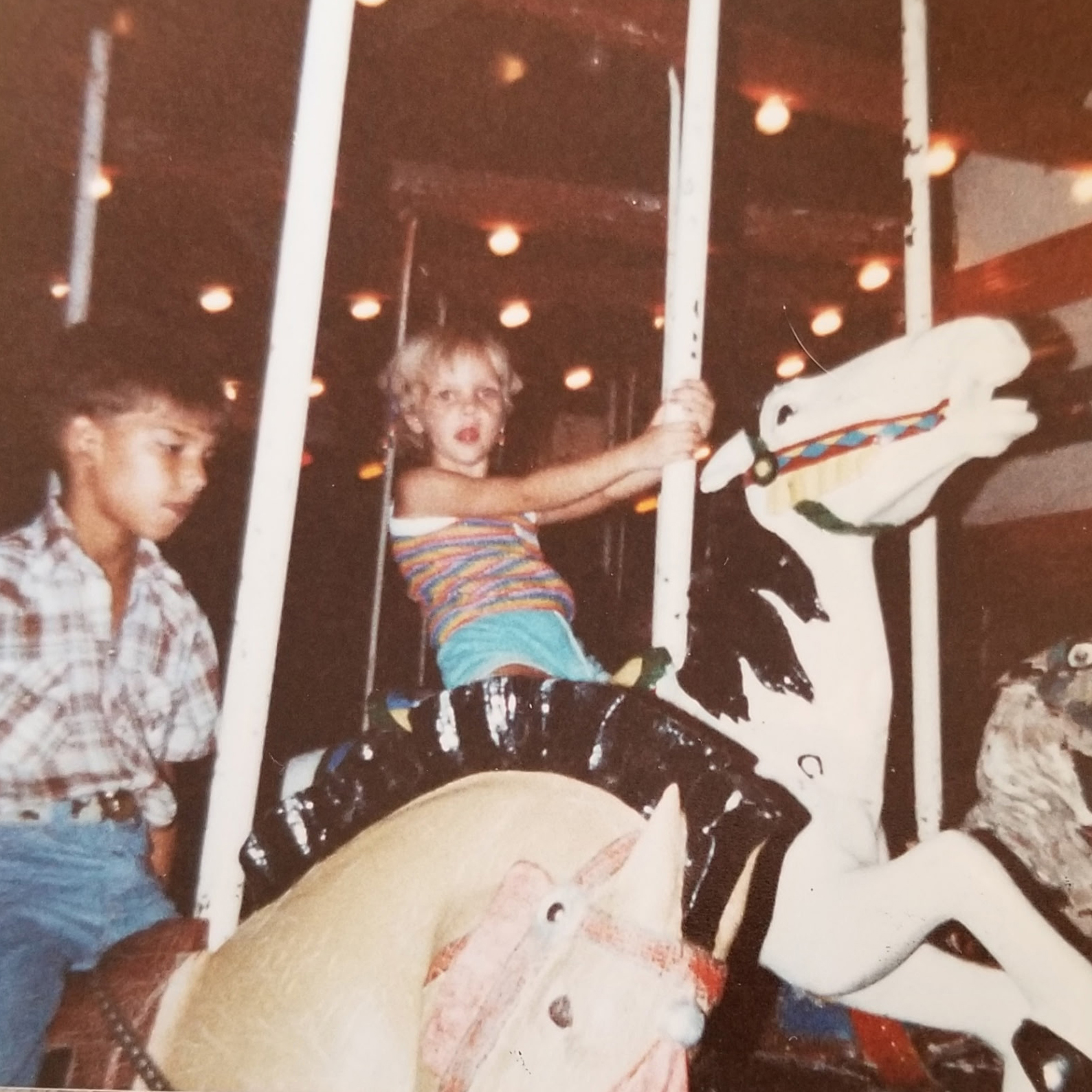
"It's one of the most rewarding things I get to do," Wieland said. "You see kids light up when you put them on the carousel, and then their mom talks about remembering when she rode the carousel as a child, or recalls how her own mother helped repaint one of the horses."
That carousel is more than just a ride. It is a piece of Oklahoma history.
In 1963, community leaders grew concerned about some of the traveling carnivals coming through town. Instead of relying on outside operators, they made a bold decision: purchase and operate their own rides. More than six decades later, Hydro's rides remain independently owned, maintained, and operated by the community.
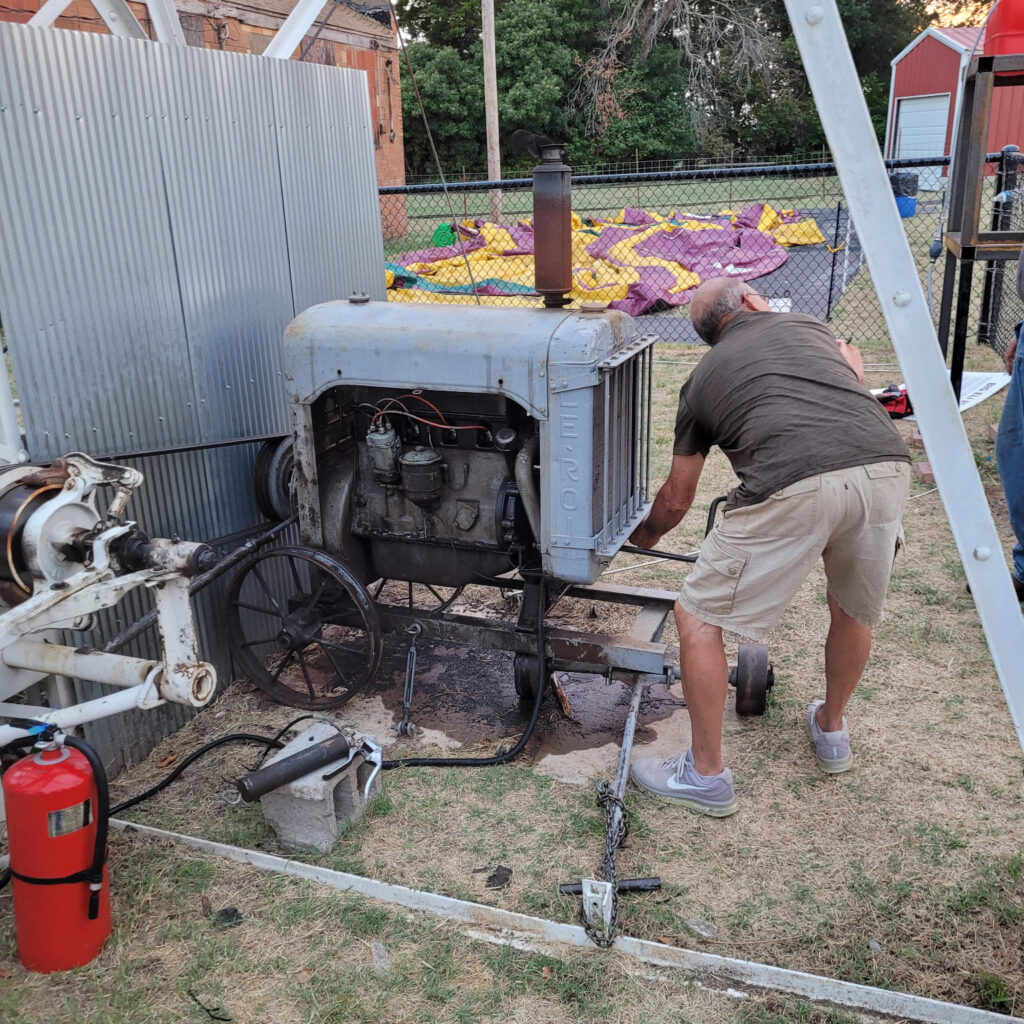
Among them is Oklahoma's oldest working carouse, complete with decorative moldings dating back to 1919. The Ferris wheel, originally built in the 1920s, is one of the few remaining examples that has not been converted to a modern electric starting system. It still uses a hand crank to start the motor.
Several rides, including the Green Machine and Octopus, have unique histories of their own. Originally designed as flight simulators intended for government use, they found new life as carnival attractions when demand changed.
"It's almost like you get to step back in time at the Hydro Fair," Wieland said. "It's a good, wholesome time in a safe environment. Parents feel comfortable bringing their families and letting older kids explore on their own."
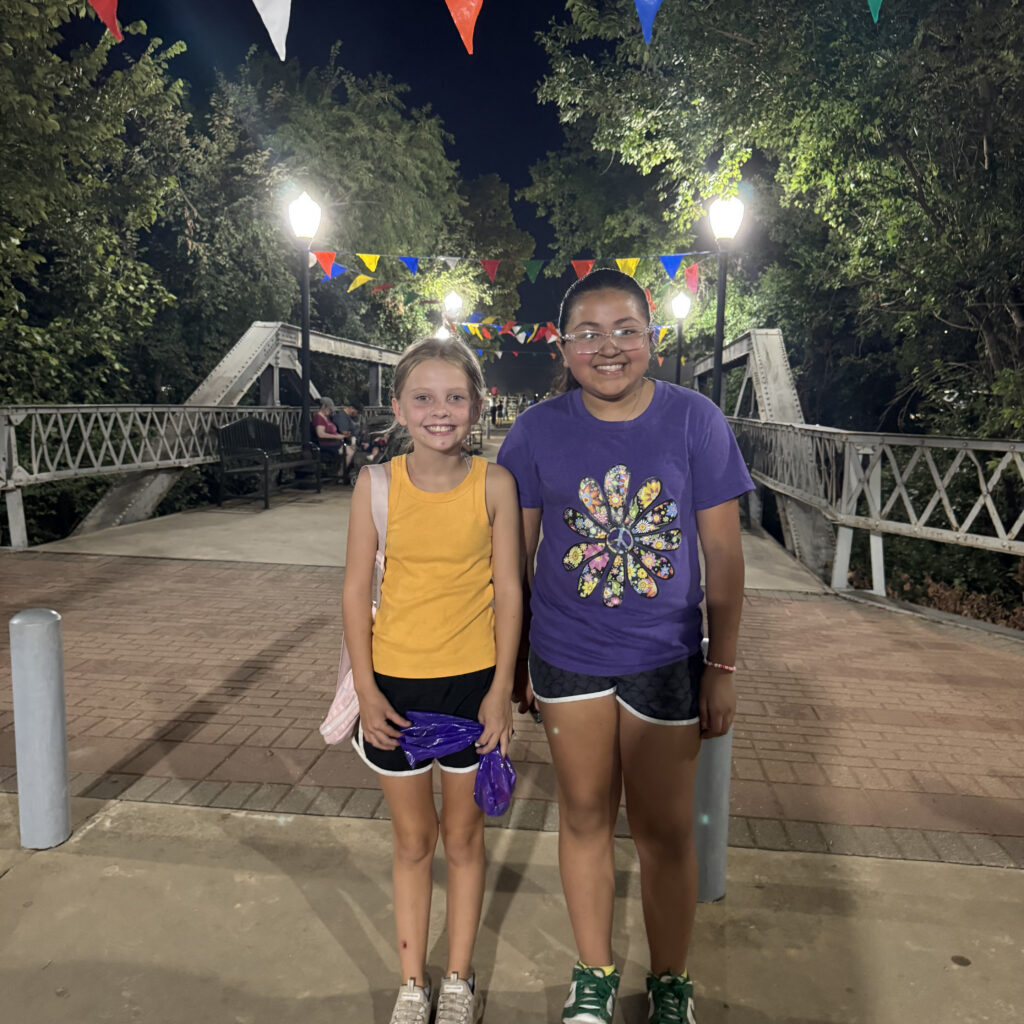
Historic touches can be found throughout the grounds. A restored Route 66 truss bridge now connects the fairgrounds and rodeo arena, serving as a popular gathering spot and photo backdrop while honoring the area's deep ties to America's Mother Road.
Even as the fair celebrates its past, community leaders continue investing in its future. Recent improvements have included refurbishing the carousel and purchasing additional property to support future growth.
"Because there's so much tradition and it's so well supported, we're always trying to make it better," Klaassen said.
That support is evident throughout the community. The annual cake auction alone generated approximately $60,000 in 2026, helping fund fair operations. Local organizations and youth groups also rely on the event as a major fundraiser. The Hydro FFA chapter's concession stand remains one of its largest annual fundraising efforts, generating roughly $36,000 in sales this year.
Yet measured only in dollars, the fair's value would be impossible to calculate.
For many families, the Hydro Free Fair has become an annual reunion. Class reunions are often scheduled around the event. Former residents make plans to return home. Friends reconnect. Children experience many of the same games, rides, and traditions their parents enjoyed decades earlier.
"As a young kid, you look forward to the turtle races and three-legged races," Klaassen said. "Then you get a little older and look forward to the rides. In high school, you begin working the booths, sometimes for a different organization every night. As an adult, you keep serving your community."
That cycle of participation may be the Hydro Free Fair's greatest achievement.
For 119 years, volunteers have stepped forward, families have invested their time, and neighbors have worked side by side to preserve something bigger than themselves. In a world where traditions often fade with time, Hydro's has endured because each generation chooses to carry it forward.
The result is more than a fair. It is a living reminder that community, teamwork, and hometown pride can keep even the oldest traditions thriving.
And in Hydro, that's exactly what they've done since 1907.
The Hydro Free Fair is more than a local celebration. It's a reflection of the values found in communities throughout western Oklahoma. At Farm Credit of Western Oklahoma, we love highlighting the people and traditions that make each town unique because they're the same values that have sustained rural communities for generations. From volunteers and Fair Board members to families who return home year after year, these are the people who keep community traditions alive. That's the spirit of western Oklahoma, and it's why we're proud to call this region home.
Thank you to Charlie Wieland, Meredith Kaney and Drew Meyer Photography for letting us use photos to help tell the Hydro Free Fair story.